
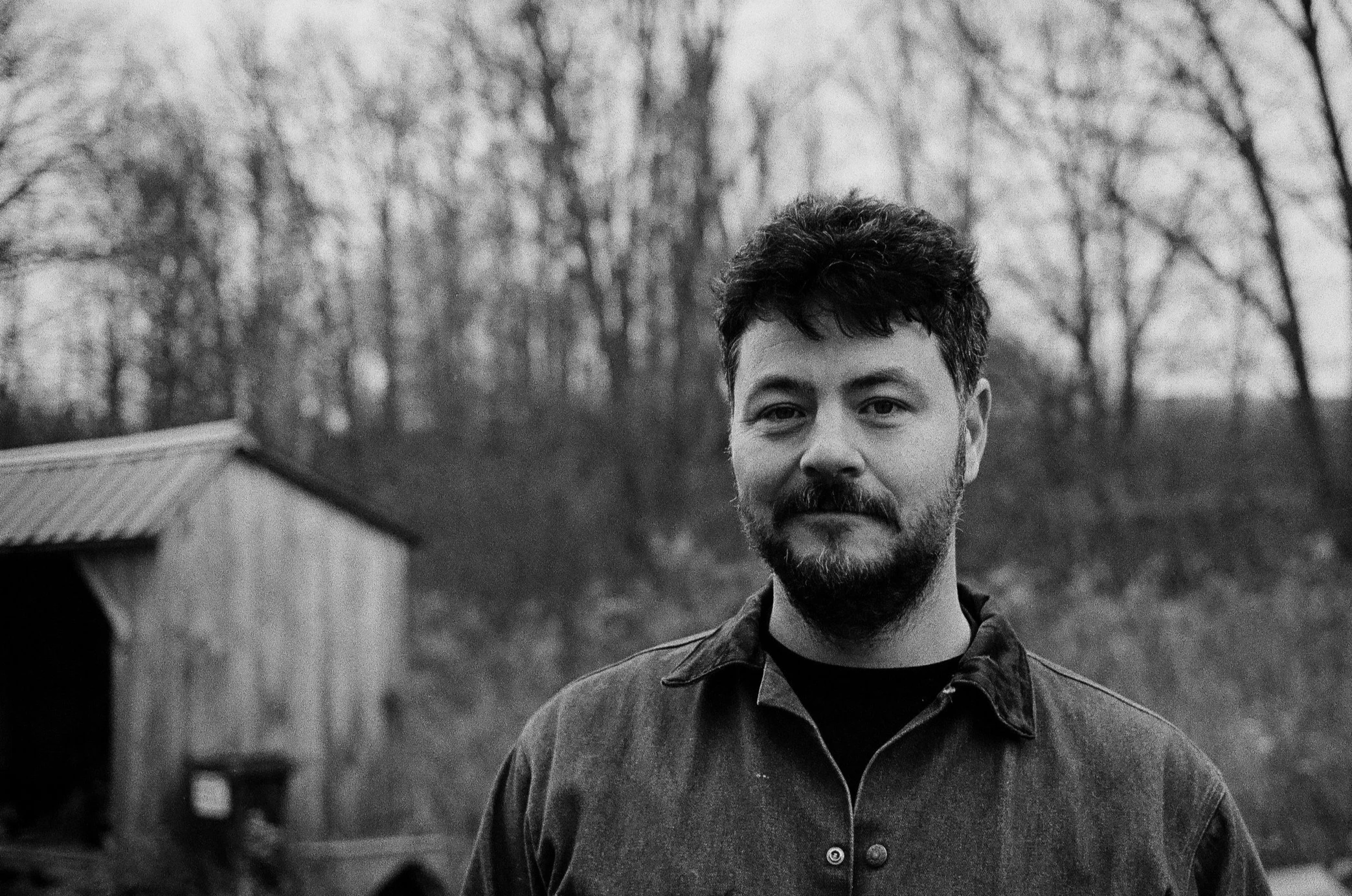
Stream my new song “Midflight”
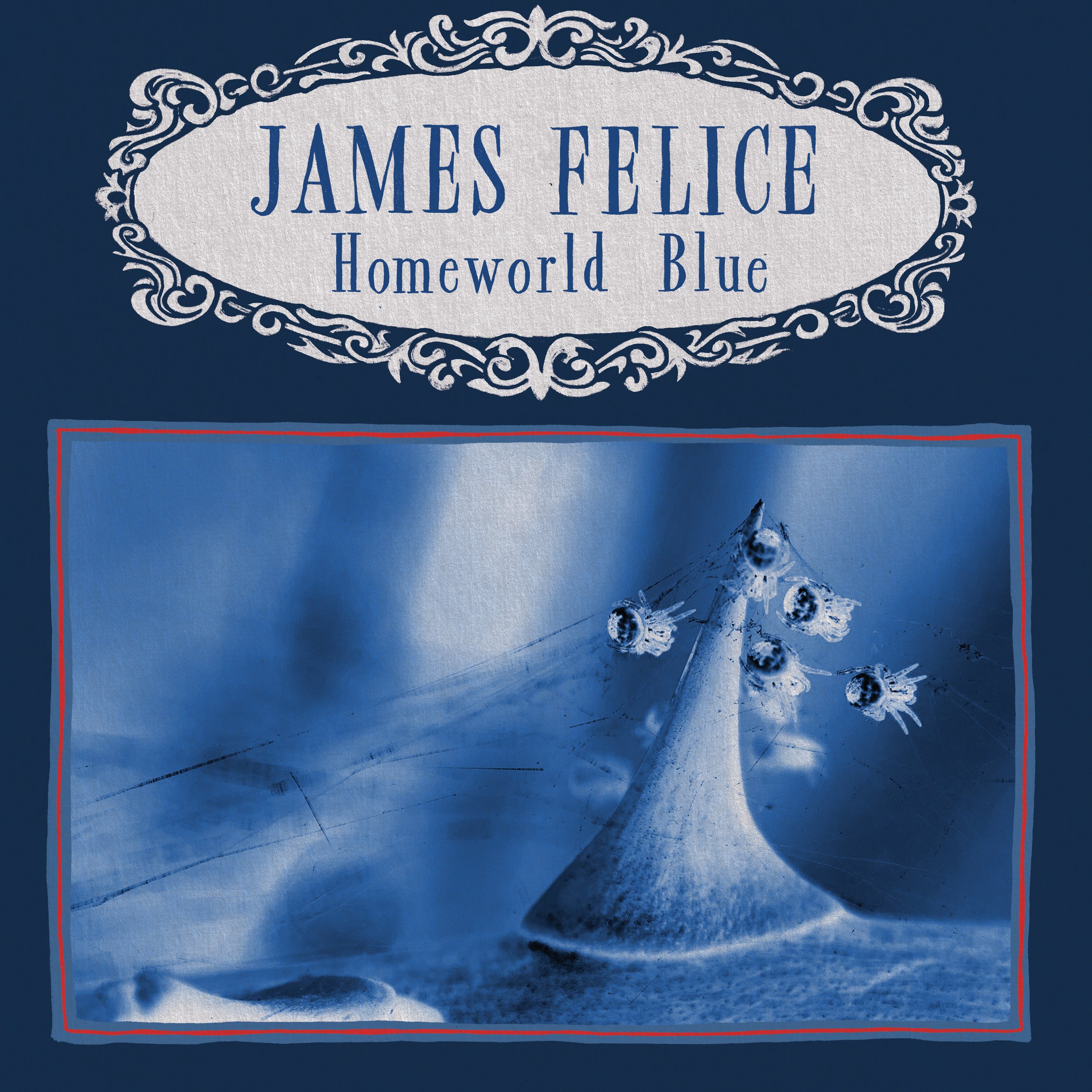

New album out November 13th on Million Stars Records.

PRE-ORDER VINYL

Sky Blue - D2C Exclusive
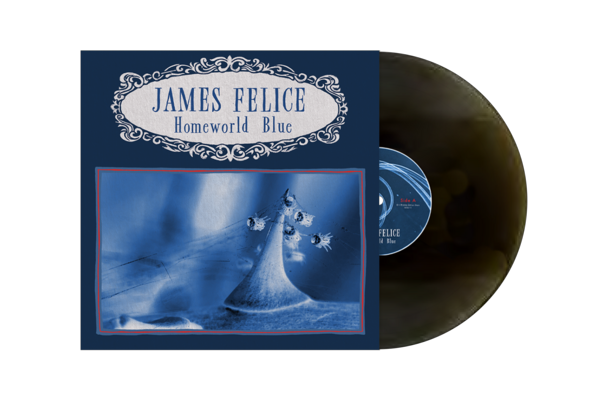
Black Ice
*Vinyl orders ship the week of November 13th.
FEATURED VIDEO
“Let Yourself Live”
TOUR DATES
ABOUT
James Felice’s sense of home is never out of reach, even as he brashly squares up with that relentless cosmic indifference. In his sweeping new album Homeworld Blue, Felice’s masterful artistry is on full display with expansive orchestral production and a depth of writing that makes even visceral Biblical imagery feel effortless. The charge, it seems, in the grandeur, is an urgent reminder that Felice states in the opening track, “When you leave, you’re not going home.” Home is right here.
“I look for warmth and hopefulness in a world that is overwhelmingly dark and brutal,” Felice explains. “It may have a fatalistic impersonal twirl to it, but we get to map our meaning onto this life. I find that to be so beautiful, and so interesting—all of us small people and our petty concerns. There’s a lot of beauty to find.”
There is certainly no shortage of beauty to be found on the album. Recorded in Omaha, Nebraska, with Nate Walcott of Bright Eyes at the producer’s helm, Homeworld Blue is a magnificent and aspirational work of art that accomplishes everything it sets out to do. Its lush horns, intricate strings, pounding pianos, and authoritative vocal deliveries are immediately evocative, while one gets the sense you could hear something new on every listen. Felice is at the top of his game after a lifetime of preparation.
Felice is adept at conveying cosmic meaning in seemingly simple forms—he has twenty years of experience in acclaimed folk band The Felice Brothers and is the photographer behind hundreds of intimate images of insects—but he knew from the beginning of this project that his artistic approach to Homeworld Blue would be different.
In 2022, when much of life for a career touring musician was still shuttered, Felice climbed the stairs to his attic, where he’d set up a minimal home studio, and began writing feverishly. “I wrote all day and all night,” he said. “I wrote dozens of songs for weeks on end. I pictured a big record, even in the early stages. I imagined orchestral parts, and I knew I wanted the record to have a real musical gravity.”
Felice was honest about executing the scope of the album. “I worked for months. I felt a drive to expand my horizons when so much of life was limited in the Covid years. I had the time and inclination to push myself. I had huge ideas, but I wasn’t completely sure how to get them across to people. I was reaching beyond my grasp and hoping someone would be there to catch the rope.”
Felice was quick to credit Walcott as a major force in the album’s fruition. Still, Felice shines as a songwriter, so much so that his dynamic voice and piano are never overshadowed by Walcott’s cinematic maximalist production. Each of Walcott’s melodies seem to echo in sound the lyrics that Felice sings. A true creative partnership can be heard through every line of the record.
Felice went on to stress the team effort of the recording process. “Phil Schaffart believed in the album from the beginning. He and Connor Oberst were executive producers and brought me into the studio. Nate went to incredible lengths to make sure every bit of composition was right. Mike Mogus mixed the album, and Adam Roberts engineered it. For a record like this, it has to be immersive. It has to feel huge. The engineering and mixing are so important. The guys really did an amazing job.”
Felice can’t help but be generous—and in fact it’s his humility amidst his expertise that gives Homeworld Blue its transcendent stamp of originality. He sits in rare company with audacious songwriters like Joanna Newsom and Fiona Apple, whose creative scope is far-reaching and whose execution is one-of-a-kind. Felice adds, “and you know Randy Newman’s my guy,” which is an easy lineage to trace with his clever turns of phrase and dexterity on the piano.
Homeworld Blue arrives on the heels of The Little Ones, Felice’s 2025 debut solo album. While the former is an intimate collection of songs, mostly recorded at home, this follow-up does still in many ways feel like a continuation of Felice’s commitment to shining a light on those who may often feel overlooked.
The album opens with an aching chord progression that draws the listener in before the first lines are even sung. And when they are, the stakes are immediately high. Felice knows the impending themes of death and rebirth, the sound of the timpanis and trumpets to come. And the overture he chooses for this cosmic journey is a moment between lovers in the kitchen with the admission, “I gotta lot to lose, and when it’s gone, it’s gone for good.” Felice embraces and dignifies our small everyday moments with the grandeur they deserve.
“Let Yourself Live” sees Felice almost as a priest giving absolution in response to what feel like unspeakable confessions of grief, loss, and nihilism. Against a backdrop of second-line horns and halftime beats, Felice bestows with the wrinkled smile of someone who’s been swallowed up and come through on the other side, “Fair enough, but you gotta let yourself live. What else can you do?”
In “Golden Age,” one begins to understand the magnitude of Homeworld Blue—on any other record, it would easily be the closer. Its depth of feeling, swelling strings, and claim that “There’s new beginnings, son, cause nothing really ever ends,” leave the listener wondering how Felice could follow this pathos.
It’s then in “Homeworld Blue,” the penultimate track and titular song on the album that Felice cements this artistic undertaking as a masterpiece. Flutes, horns, and strings wind the listener into the experience reminiscent of a massive film score, leading to Felice’s announcement: “First, there was light.” Timpanis roll, trumpets blare, and the effect is as if it were the sound of the Creating Myth itself. Felice draws images from John Milton’s Paradise Lost to craft the song like it's his own epic poem. The world is created, man lives and dies, and eventually, Felice is compelled to ask, “All this weight and so briefly here and never to replete/ is it all supposed to be so close and just beyond our reach?”
He closes the song with an honest observation, “all that and a little splash of Homeworld blue/ all of us just huddled up on a speck of dust in an empty room…speck of dust is being generous.”
In the pause before the final track, Felice brings us from the omniscient view of the Creator in the universe’s wide expanse to his familiar back roads in the Hudson Valley. In “Past the Agway,” the piano is warm and intimate. Felice traces commonplace landmarks on a drive, where the listener can imagine him back in the family kitchen, maybe leaning into the light coming through the window. Yes, we are alone on a speck of dust. But we are also right here in the kitchen.
Making good on his early promise, Felice leaves us safe and comforted in spite of our Homeworld blues, saying, “Come on in, Jim. We’re glad you’re home.”